

Building and sustaining consumer confidence in food through trust and transparency
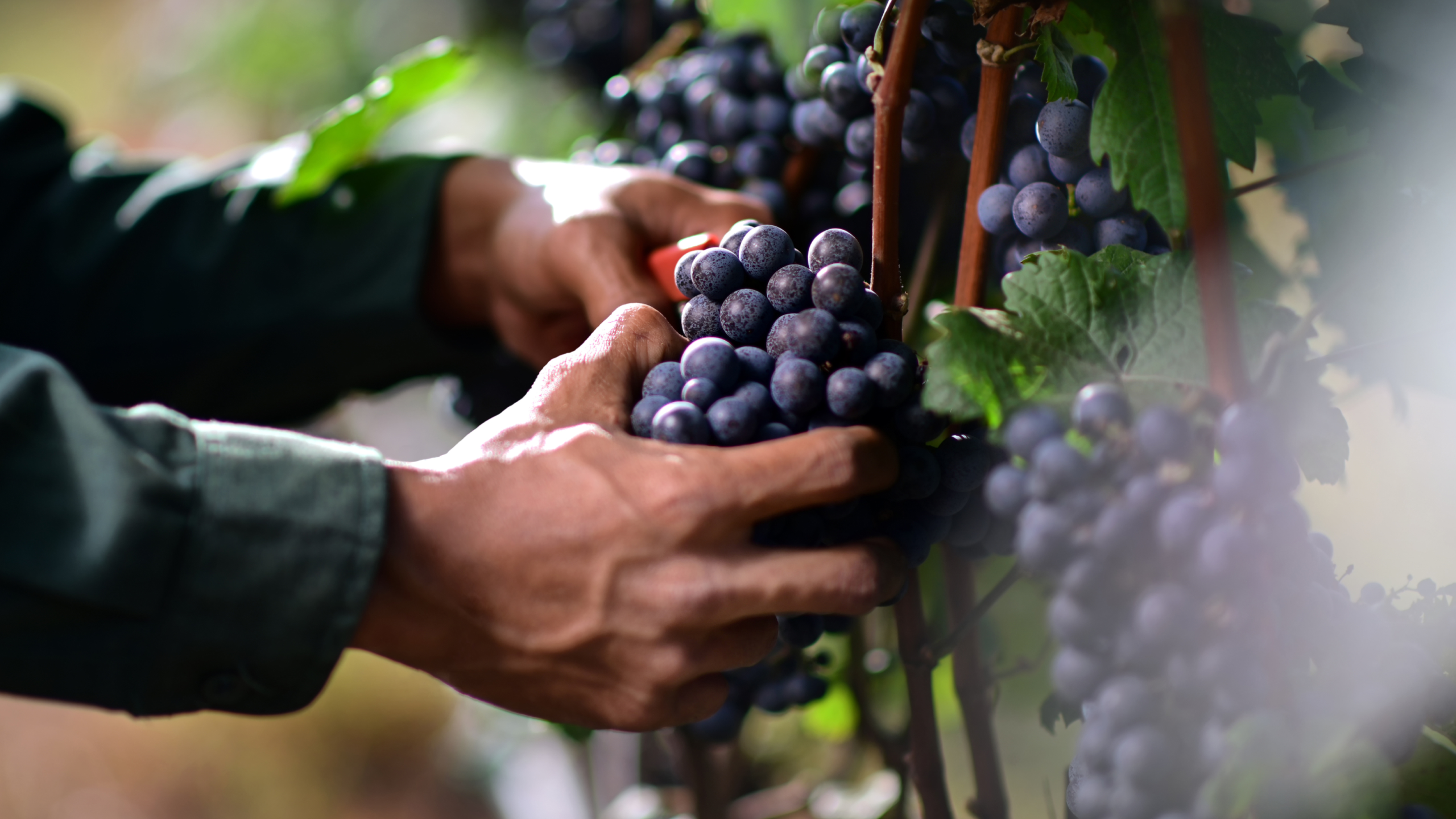
I think about food. A lot. Where it comes from, how it travels from farm fields to grocery shelves, and the role it plays in our everyday health and wellbeing.
Working across both international and domestic agricultural commodities (peanuts, grapes, pears, raisins, watermelon, dairy), has shaped how I see the food system from both a professional and personal lens. And one thing has become increasingly clear over the past eighteen months: “business as usual” in food no longer exists.
Consumer trust in our food ecosystem has shifted. In many cases, it’s been eroded and replaced by a new set of realities that reflect what matters most:
Price
Nutritious food has become significantly more expensive. Food inflation has risen roughly 27% over the past five years, with little short-term relief in sight. Food insecurity is at record levels. In fact, about one in four Canadians struggle to afford enough nutritious food. In response, nearly half of Canadians have adjusted their shopping habits: choosing lower-cost brands, shifting to discount retailers, and cutting back on dining out.
Quality
At the same time, expectations around quality have intensified. Canadians are paying closer attention to health, safety, and nutritional value, alongside ingredient transparency, sustainability, local sourcing, and brand authenticity. Scrutiny around food origin is rising, while expectations around pricing and supply chains are being reshaped in real time.
So how do we rebuild what’s been lost?
It starts with authentic, consistent storytelling that clearly communicates the journey food takes from farm to table. This is the connection to how we rebuild trust between producers, manufacturers, retailers, and ultimately, consumers.
The alternative is risky: leaving consumer confidence to chance at a time when transparency, quality, and price are under a microscope. That’s not a risk this industry can afford.
Recently, I attended the Farm & Food Care Ontario AGM, where agricultural storytellers shared how they’re connecting directly with consumers through agritourism, social media, and even film. Farmers are opening their doors and telling stories in real, human ways to build understanding with the very people who sustain their livelihoods.
My takeaways continued when the ChangeMakers Agribusiness and International Trade team represented five client partners at key industry events in Toronto and Montreal, including the Canadian Produce Marketing Association, SIAL Canada, and Bakery Showcase. While food is always the hero (and rightfully so), the real takeaway went deeper: what it takes to build (and keep) trust across the entire food value chain.
A few themes on how to build and keep trust among audiences stood out:
- Lead with transparency: Proactively address concerns, share updates, and demonstrate how brands are supporting consumers.
- Reinforce reliability: Consistency builds trust, especially in volatile conditions.
- Communicate with empathy: Acknowledge real consumer pressures and show genuine understanding.
- Back it up with proof: Data, third-party validation, and tangible outcomes strengthen credibility, and ultimately drive shopper confidence and sales.
The bottom line:
When external forces are unpredictable, communication becomes one of the most powerful levers we have. It’s not just about protecting consumer confidence. It’s about actively building it.
We need to bring the full food system into the conversation. When consumers understand the people, processes, and purpose behind their food, they’re far more likely to trust it.


